Postpartum Hair Fall
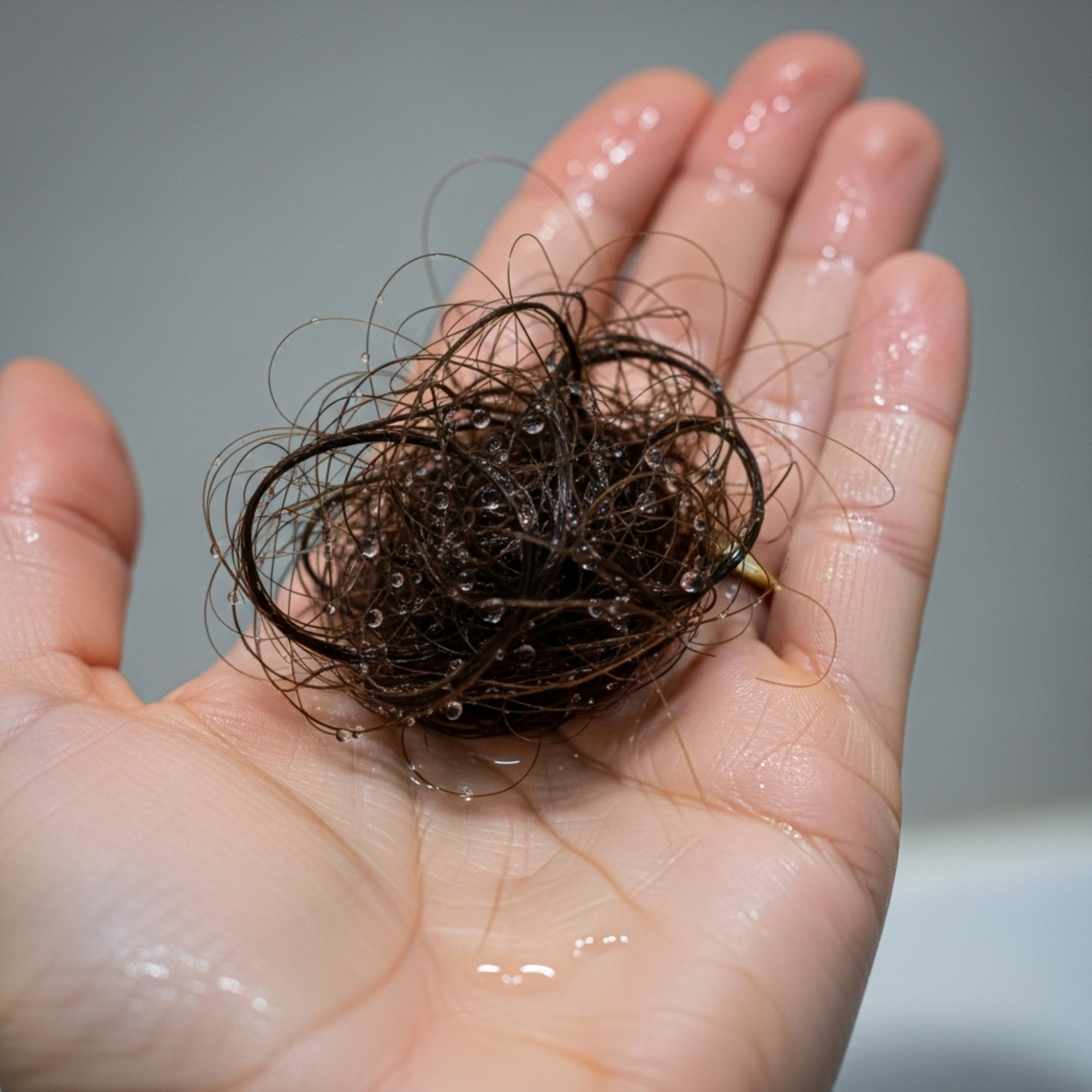
For many women, pregnancy is a beautiful phase where hair looks thick, shiny, and full. But after delivery, a sudden and heavy hair fall can come as a shock. You may notice hair all over your pillow, bathroom floor, comb, and even coming out in clumps while washing. This condition is known as postpartum hair fall or postnatal hair loss.
Though it is common, it can be emotionally disturbing for a new mother who is already going through physical changes, sleep deprivation, and hormonal shifts. Let us understand why this happens, how long it lasts, and what you can do to control it.
What Is Postpartum Hair Fall?
Postpartum hair fall is the excessive shedding of hair that usually starts 2 to 4 months after childbirth. It is caused mainly by sudden hormonal changes after delivery. During pregnancy, high estrogen levels keep hair in the growth phase for a longer time, which is why hair looks thicker and healthier.
After childbirth, estrogen levels drop sharply. This forces many hair follicles to enter the shedding phase together. As a result, large amounts of hair start falling at the same time, leading to visible thinning and heavy hair loss.
This condition is also called:
-
Post pregnancy hair loss
-
Postnatal hair fall
-
Hair loss after delivery
-
Postpartum alopecia
Common Signs of Postpartum Hair Loss
-
Hair falling in clumps while washing
-
More hair on pillow and clothes
-
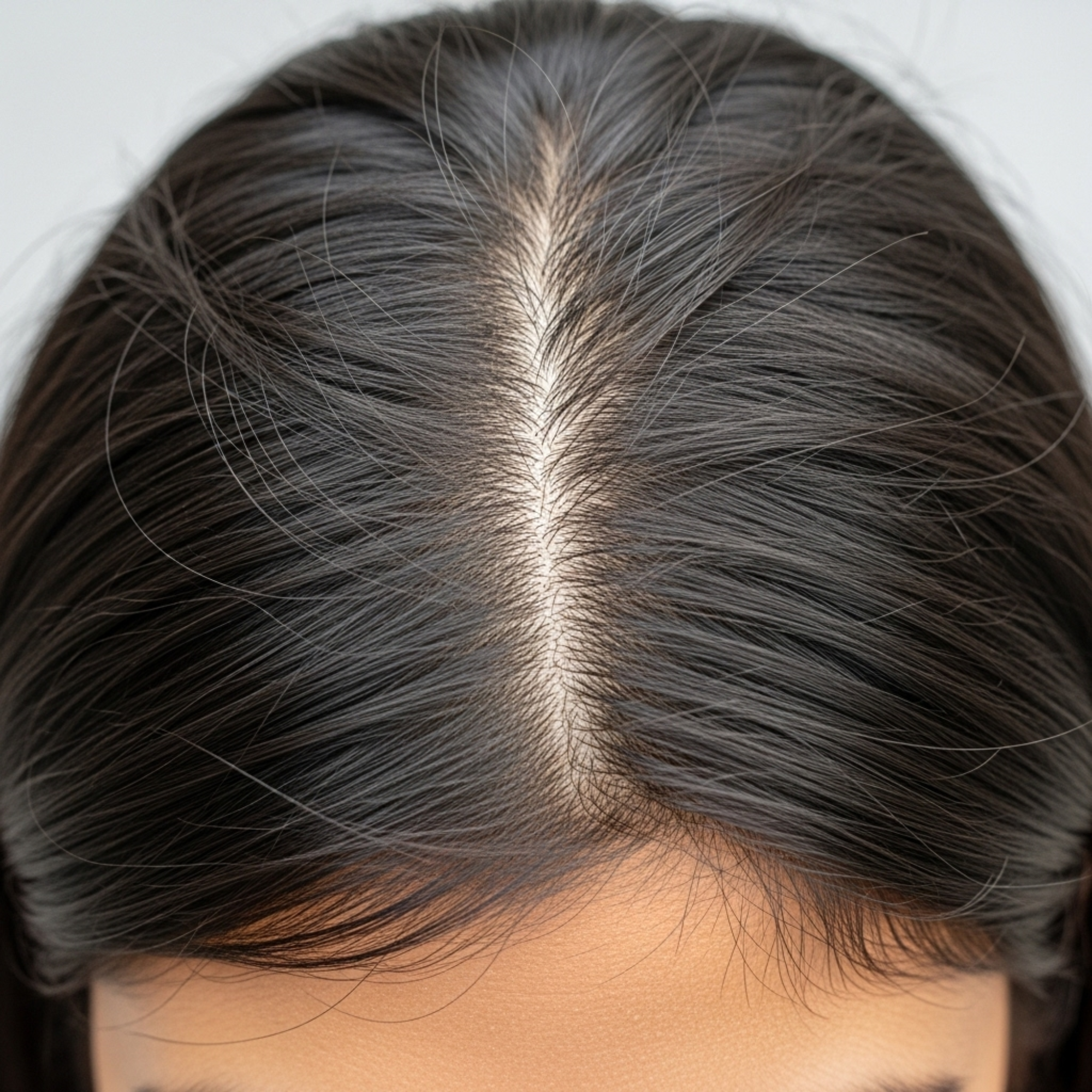
Thinning at the crown and front hairline
-
Widening of middle part
-
Reduced ponytail thickness
-
Dry, weak, and lifeless hair
-
Hairline recession around temples (especially in women)
These signs can be frightening, but in most cases, postpartum hair loss is temporary.
Why Does Hair Fall Increase After Delivery?
1. Hormonal Changes
The main reason is the sudden drop in estrogen after childbirth. This hormonal shift pushes many hair follicles into the resting phase, and after a few weeks, they shed together.
2. Nutritional Deficiency
Pregnancy and breastfeeding consume a lot of nutrients like iron, protein, calcium, vitamin D, and B12. If these are not replenished, hair roots become weak and start shedding.
3. Physical Stress on the Body
Delivery, blood loss, lack of sleep, and recovery put physical stress on the body, which directly affects hair growth.
4. Emotional Stress & Postpartum Anxiety
Mental stress, mood swings, and anxiety after childbirth can also trigger hair fall.
5. Thyroid Changes After Pregnancy
Some women develop postpartum thyroid imbalance, which can worsen hair loss if not treated.
How Long Does Postpartum Hair Fall Last?
In most women, postpartum hair loss starts around 2–4 months after delivery and may continue for 6–9 months. By the time the baby is one year old, hair growth usually returns to normal.
However, in some cases:
-
Hair fall continues even after 1 year
-
Thinning becomes permanent
-
Genetic hair loss gets triggered
-
Density does not fully return
In such situations, medical evaluation and hair treatment become important.
Can Postpartum Hair Loss Be Prevented?
It cannot be completely prevented, but it can be controlled and reduced with the right care.
Natural & Safe Ways to Control Postnatal Hair Fall
1. Eat a Hair-Healthy Diet
Include:
-
Protein: eggs, paneer, lentils, fish
-
Iron: spinach, dates, beetroot
-
Omega-3: walnuts, flaxseeds
-
Vitamins: fruits, vegetables
-
Biotin: nuts, whole grains
Drink enough water daily.
2. Take Doctor-Recommended Supplements
Iron, B12, vitamin D, and calcium should be taken only after blood tests and medical advice.
3. Be Gentle With Your Hair
-
Avoid tight ponytails and buns
-
Do not comb wet hair roughly
-
Use a wide-tooth comb
-
Avoid excessive heat styling
-
Choose mild, sulfate-free shampoo
4. Oil Massage
Gentle scalp massage with coconut oil, almond oil, or castor oil improves blood circulation and strengthens roots.
5. Manage Stress & Sleep
Even short naps, breathing exercises, and emotional support help in reducing hair fall.
When Postpartum Hair Fall Becomes a Concern
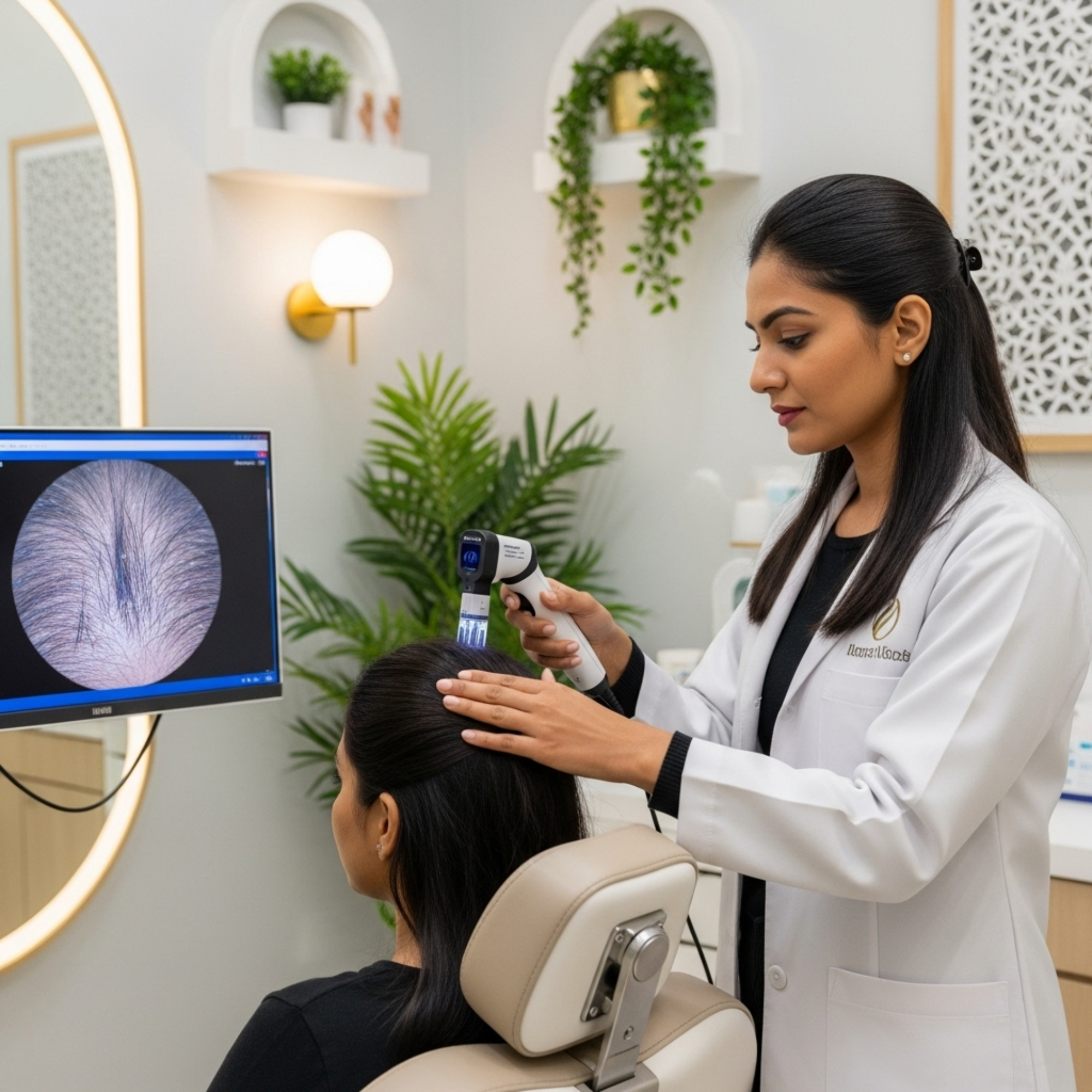
You should seek professional help if:
-
Hair fall continues beyond 12 months
-
Scalp becomes clearly visible
-
Bald patches appear
-
Hair does not regrow
-
Family history of female pattern baldness exists
-
Hair texture becomes very thin and weak
Medical & Non-Surgical Solutions for Postpartum Hair Thinning
For women who lose significant volume and confidence, modern non-surgical hair solutions can provide instant and safe results.
Hair Toppers for Women
-
Ideal for crown thinning and parting widening
-
Lightweight and breathable
-
Blends naturally with existing hair
-
No surgery, no pain
Hair Extensions
-
Add volume and length
-
Help when ponytail becomes thin
-
Temporary cosmetic support
Medicated Wigs for Severe Hair Loss or Alopecia
-
For extreme shedding or autoimmune hair loss
-
Scalp-friendly
-
Natural appearance
These solutions restore appearance while natural regrowth continues in the background.
Emotional Side of Postpartum Hair Loss
A woman’s hair is closely connected to her identity and confidence. Losing hair after childbirth can cause:
-
Low self-esteem
-
Social hesitation
-
Postpartum depression triggers
-
Feeling unattractive
-
Avoiding mirrors and photos
It is important to understand that postpartum hair loss is a medical and hormonal condition, not a personal weakness.